

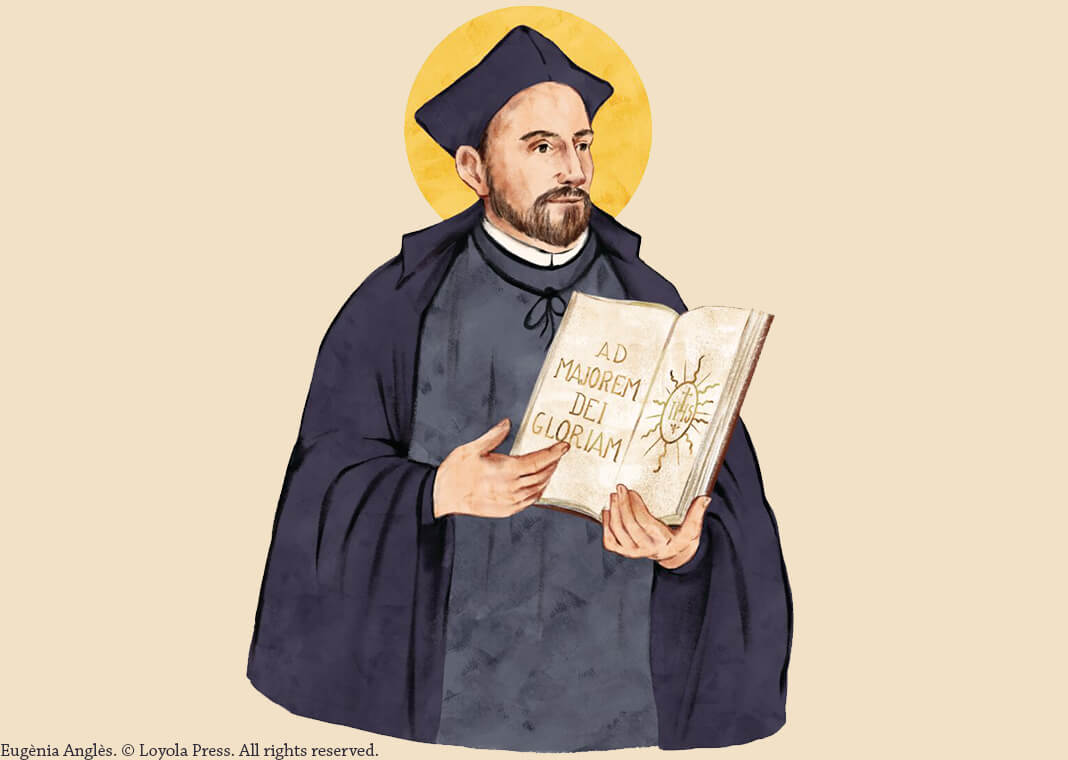

St. Ignatius spent the last 15 years of his life as the Superior General of the Jesuits, doing administrative work in a cramped suite of rooms in Rome. He didn’t want the job. He was a teacher, evangelist, preacher, and spiritual director. Ignatius would have happily spent his life teaching catechism to children—the first work he did as a serious Christian. Instead he was asked to direct a far-flung, rapidly-growing religious order. He did this job brilliantly.
One quality that Ignatius possessed in abundance was firmness. People were impressed because the Jesuits were a work in progress in the early years. Their mission shifted. Basic procedures had to be established. There were no precedents. People had many different views about what the Jesuits should be and what they should do. Ignatius had to make many tough calls.
How was Ignatius able to be so effective as a leader? Ignatius was deliberate. He took his time. No snap decisions. No decision at all if he didn’t have the facts he needed. He was aware of his limitations. He didn’t know everything—and he knew that he didn’t know everything. He listened carefully to the views of other people. Most critically, he listened to God. For the most important questions, he would undertake a lengthy process of prayer and discernment.
This might look like a portrait of an overly cautious leader, even a procrastinator. But that’s not the impression Ignatius made. Ignatius was a bold visionary.
The boldness is related to management style. Ignatius could be daring because he was deliberate. He could be firm because he consulted widely. People trusted him, because they had been heard, because the facts had been unearthed, and because nothing was rushed.
There are lessons here for all leaders. Ignatius’s management style might work for you too.
Ask yourself:
- What upcoming decision is troubling me most right now?
- Have I heard from everyone who has a stake in it?
- Has there been adequate discussion?
- What issues are looming?
- What do I need to know in order to make a good decision?
- How will I get the facts I need?
- Who do I need to talk to?
To do:
- Every day, spend some time praying about the decisions you need to make as a leader. Ask God to guide your decisions.